Funeral pre-planning: deciding ahead without paying too soon
Pre-planning a funeral means writing down your wishes and comparing at least two funeral homes while there is no time pressure. The FTC suggests you can make decisions in advance without paying in advance, and that you ask a few precise questions before any prepayment.
Updated · Editorial lead: Jean-Claude Fatemian
Hear from up to 3 funeral homes near you, before you decide
Leave your ZIP code and how to reach you. Up to 3 partner professionals may contact you with their price information, so you can compare calmly. Asking costs nothing and commits you to nothing: TributePen only passes your request on.

On this page
What you can decide now
Pre-planning is mostly a list of choices, written down where your family will find them. None of it requires a payment.
- Burial or cremation, and whether you want a viewing or visitation.
- The kind of gathering: a religious service, a non-religious ceremony led by a celebrant, a graveside service, or a celebration of life.
- Who you would like to speak, and any readings, poems or music that matter to you.
- Practical wishes: a place, flowers or donations to a cause, what you would like printed in the funeral program.
- A cemetery plot, if you want one. The FTC points out that buying a plot before it is needed is often in the family's interest.
Review these choices every few years. Prices change, and so do businesses: some close or change ownership. If you would like to write all of this down in one place, our printable funeral pre-planning workbook has a wishes sheet, a table to compare three funeral homes from their price lists, and a letter to your family.
How to compare funeral homes
The FTC's advice is simple: compare prices from at least two funeral homes, and do it in advance, when there is time to think and to talk it over as a family.
Under the FTC Funeral Rule, every funeral home must:
- give you a written, itemized General Price List to keep, when you ask in person;
- answer price questions by telephone, using its price list;
- let you buy goods and services separately, rather than a package you do not want.
You can also supply your own casket or urn. Laws on funerals and burials vary from state to state, so ask which items are required by law and which are optional. The FTC's funeral costs and pricing checklist lets you put two price lists side by side.
Before you prepay: the questions to ask
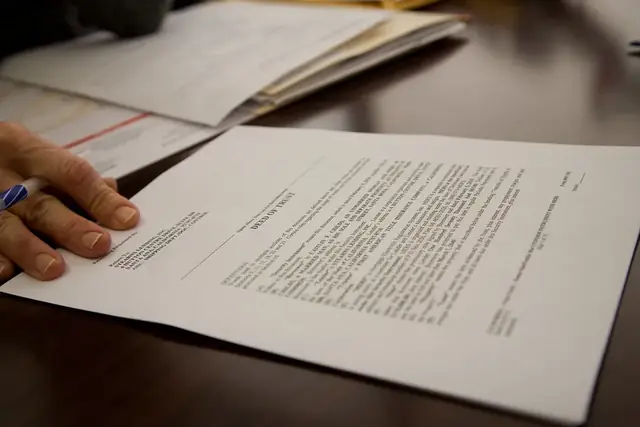
Prepayment is governed by state law, and the FTC notes that some state laws offer little or no effective protection. If you are thinking of paying ahead, ask these questions and keep the answers in writing:
- What exactly am I paying for? Merchandise only, such as a casket and vault, or funeral services as well?
- What happens to the money I prepay? Is part of it placed in a state-regulated trust, or used to buy a life insurance policy assigned to the funeral home?
- What happens to the interest earned on money placed in a trust?
- Am I protected if the funeral home goes out of business?
- Can I cancel and get a full refund if I change my mind?
- What happens if I move, or die away from home? Some prepaid plans can be transferred, often at an added cost.
Tell your family where the plan is
A plan nobody knows about does not help. Put your wishes in writing, give copies to family members and to your attorney, and keep one copy somewhere easy to reach, not only in a safe deposit box. Do not rely on your will for funeral wishes: it is often read after the funeral. And if you have prepaid, say so, or your family could end up paying twice for the same arrangements.
If you would like to talk this through with someone, a funeral home can walk you through its price list, and a celebrant can help you shape the ceremony you have in mind.
Common questions
Do I have to prepay to pre-plan a funeral?
No. The FTC notes that you may wish to make decisions about your arrangements in advance but not pay for them in advance. Writing your wishes down and sharing them already spares your family many decisions.
Does the FTC Funeral Rule apply when I plan ahead?
Yes. The Funeral Rule applies to pre-need arrangements as well as to arrangements made after a death, so a funeral home must give you its written price list when you plan ahead too.
What happens to the money if I prepay?
It depends on your state. Some state laws require the funeral home or cemetery to place a percentage of the prepayment in a state-regulated trust or to buy a life insurance policy assigned to it, and the FTC warns that protections vary widely. Ask the provider, in writing, where your money goes.
Where should I keep my funeral wishes?
Put them in writing, give copies to family members and to your attorney, and keep a copy somewhere easy to reach. The FTC advises against a safe deposit box as the only copy, and against relying on a will, which is often read after the funeral.
Sources
- Planning Your Own Funeral (FTC Consumer Advice)
- Shopping for Funeral Services (FTC Consumer Advice)
- Funeral Costs and Pricing Checklist (FTC Consumer Advice)
Related guides
- Finding professional help for a funeral or memorialCelebrants, funeral homes and eulogy writers: what they do and what to ask.
- Celebration of life: what it is and how to plan oneHow it differs from a funeral, planning, invitations and dress.
- Funeral program: what to includeThe panels, the wording and how to print it.
- How to Write a EulogyThe five-part structure, the right length, and how to get through it.
Would you rather not do this yourself?
A celebrant, a funeral home or a eulogy writer can help in person. Leave a short request and a partner professional may get in touch. Free to ask, no obligation; TributePen only passes it on.